
In the American luxury market, a handbag is no longer simply an accessory. At its best, it is a piece of fashion history, an expression of personal style, and an asset whose desirability can extend well beyond a single season. The economics of heritage designer goods are built on scarcity, craftsmanship, brand recognition, cultural relevance, and the extraordinary ability of established maisons to transform leather and hardware into objects of lasting desire. Unlike trend-driven fashion, the strongest luxury handbags can retain meaningful resale value—and, in exceptional cases, command considerably more than their original retail prices years later.
That does not mean every expensive handbag is an investment. The distinction lies in choosing designs with enduring recognition, exceptional construction, strong secondary-market demand, and a history that transcends seasonal marketing. In the United States, where sophisticated resale platforms and specialist luxury consignment markets have made pre-owned fashion increasingly mainstream, collectors have more information than ever before. The smartest purchases therefore sit at the intersection of functionality and collectability.
For the modern wardrobe, five categories consistently demonstrate this balance: the classic flap, the minimalist tote, the architectural mini bag, the timeless leather crossbody, and the statement vintage piece. Together, they form a foundation of investment-worthy accessories capable of serving everything from boardroom dressing to weekend travel while preserving the character of a truly high-end wardrobe.
## 1. The Classic Flap: Chanel’s Enduring Power
Few handbags demonstrate the economics of heritage luxury more effectively than the classic flap. Chanel’s Classic Flap, with its instantly recognizable quilting, interlocking-C hardware, and chain strap, has become one of the defining symbols of modern luxury fashion. Its strength lies partly in recognizability: even without a logo-heavy exterior, its silhouette and construction communicate the identity of one of fashion’s most influential designer labels.
For everyday wear, a medium or small classic flap works particularly well with tailored trousers, cashmere knitwear, a structured blazer, or understated evening dressing. The beauty of the design is its ability to move between formal and relaxed environments without looking out of place. A black version with classic gold or silver-tone hardware is generally the most versatile starting point, while neutral shades such as beige, ivory, or dark brown can provide an equally sophisticated alternative.
Material selection matters considerably. Chanel has produced its signature bags in lambskin and caviar leather, among other materials. Lambskin offers exceptional softness and an almost luminous finish, but its delicate surface demands greater care. Caviar leather is typically more resistant to everyday abrasion and is therefore attractive for buyers who intend to use the bag frequently.
The investment rationale is straightforward: the Classic Flap possesses extraordinary brand recognition, a multi-decade design history, and persistent demand across generations. Retail pricing has also risen substantially over time, reinforcing the importance of buying thoughtfully rather than chasing every seasonal variation. For collectors, excellent condition, desirable colors, original packaging, authenticity documentation, and a clean ownership history can materially strengthen resale appeal.
## 2. The Minimalist Tote: Louis Vuitton Neverfull and the Art of Utility
A luxury wardrobe needs at least one bag that works as hard as its owner. The minimalist tote occupies that role, combining practical capacity with the visual authority of a heritage maison. Louis Vuitton’s Neverfull is perhaps the clearest example: its uncomplicated construction, spacious interior, recognizable proportions, and durable coated canvas have made it a staple of American luxury dressing.
The Neverfull is particularly effective with contemporary workwear. Pair it with a long wool coat, tailored pants, loafers, and a fine-gauge sweater for an understated office look, or use it with denim, a cashmere cardigan, and leather flats for elevated weekend dressing. Its relatively relaxed structure also makes it an excellent travel companion.
From a durability perspective, coated canvas deserves particular attention. Although it is not traditional leather, Louis Vuitton’s coated canvas is valued precisely because it is comparatively resistant to everyday moisture, scratching, and wear. Leather trim can develop a distinctive patina, adding individuality over time, although buyers should inspect handles, corners, glazing, and interior lining carefully when purchasing pre-owned.
The investment case here is slightly different from that of a Chanel flap. The Neverfull is not necessarily about dramatic appreciation; its strength is liquidity, recognition, practicality, and sustained demand. It has become one of the most recognizable luxury totes in the American market, making it a sensible entry point for buyers seeking premium leather goods and heritage accessories without sacrificing functionality.
For maximum longevity, choose a classic size and restrained colorway rather than an overly seasonal print. The most investment-conscious collector understands that versatility itself has economic value.
## 3. The Structural Mini Bag: Dior Lady Dior and Architectural Luxury
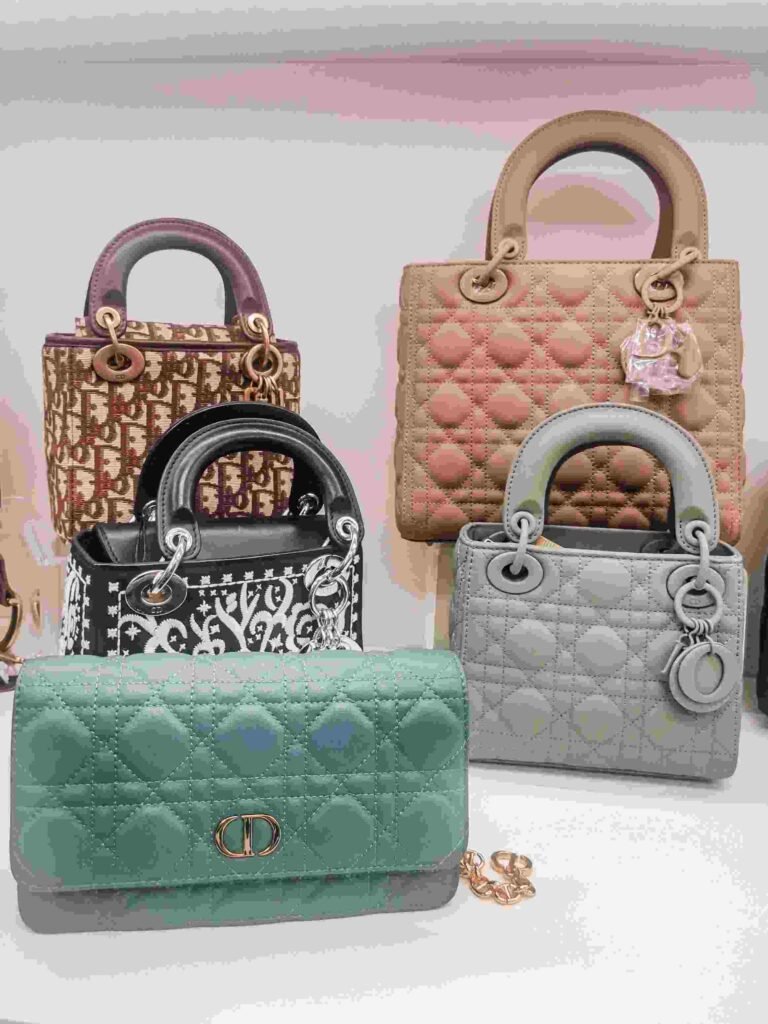
The rise of the mini bag could easily have been dismissed as a fleeting social-media phenomenon. Yet the strongest structural mini bags have proved that diminutive proportions can coexist with serious heritage. Dior’s Lady Dior is an outstanding example, particularly in smaller formats that preserve the architectural character of the original while offering a distinctly contemporary silhouette.
The bag’s cannage pattern, sculpted handles, polished hardware, and compact rectangular structure give it a jewelry-like presence. It works beautifully with minimalist evening dresses, sharply cut suiting, monochromatic separates, or even an oversized blazer and straight-leg denim. Because the silhouette itself makes a statement, styling is strongest when the rest of the outfit remains comparatively restrained.
Material choice again determines both appearance and practicality. Cannage-patterned calfskin offers a refined balance of structure and luxury, while other finishes can create a more dramatic visual effect. Buyers should inspect corners and handle attachments carefully because structured miniatures can show concentrated wear at precisely these stress points.
The investment rationale comes from design identity. A successful structural handbag does more than follow a trend; it creates a recognizable visual language. The Lady Dior has achieved that status through decades of association with Dior’s couture heritage and celebrity culture. Limited colors, special editions, and historically significant collaborations can become especially desirable, although novelty should never replace fundamentals such as condition and enduring silhouette.
For collectors building an investment-oriented wardrobe, one exceptional mini bag is often more valuable than several inexpensive trend pieces because it supplies a distinctive evening and occasion category without overwhelming the overall collection.
## 4. The Timeless Leather Crossbody: Hermès Constance and Quiet Prestige
The leather crossbody is arguably the most important category for modern life because it solves a fundamental luxury problem: how to remain polished while keeping both hands free. Hermès’s Constance represents the category at its most refined, combining compact proportions, an adjustable strap, understated branding, and exceptional leather craftsmanship.
Its styling possibilities are remarkably broad. Wear it over a silk blouse and tailored trousers for daytime sophistication, with a cashmere coat during colder months, or alongside a minimalist dress for an evening occasion. Its restrained design also makes it ideal for consumers who prefer quiet luxury over conspicuous branding.
Hermès’s extensive leather vocabulary makes material selection especially significant. Calfskin varieties can provide a beautifully refined surface and structure, while more textured leathers may offer additional resistance to visible wear. The choice should reflect lifestyle rather than simply rarity. A collector who actually uses a bag should favor a leather compatible with regular handling.
The luxury handbag investment thesis here rests on craftsmanship, scarcity, brand equity, and the extraordinary strength of Hermès in the global secondary market. The Constance occupies a compelling position because it is less overtly recognizable than some iconic top-handle styles while remaining deeply embedded in the house’s heritage.
For the sophisticated buyer, this is the essence of timeless elegance: an object whose value is communicated by proportion, construction, and material rather than by excessive decoration. It is precisely the kind of high-end wardrobe essential that can remain relevant through multiple generations of personal style.
## 5. The Statement Vintage Piece: Gucci Jackie and the Power of Fashion History
The final category is perhaps the most intellectually interesting: the statement vintage handbag. Unlike contemporary investment pieces purchased primarily for stability, vintage bags can provide access to fashion history, rarity, and cultural storytelling. Gucci’s Jackie is an exemplary case, with its curved profile, piston-style hardware, and long association with sophisticated 1960s and 1970s dressing.
A vintage statement bag should be styled deliberately rather than treated as a costume piece. Wear a vintage Jackie with a crisp white shirt, high-waisted trousers, understated jewelry, and modern pumps, or juxtapose it against minimalist knitwear and contemporary denim. The tension between historical design and modern clothing is what makes vintage luxury feel sophisticated rather than nostalgic.
Material condition is crucial. Vintage leather can develop extraordinary character, but age should not be confused with damage. Natural patina can enhance desirability, while deep cracking, excessive dryness, compromised stitching, unpleasant odors, or damaged hardware can significantly reduce value. Originality is equally important: collectors should pay close attention to alterations, replacement parts, and authenticity.
The investment rationale for vintage is scarcity. A discontinued configuration, unusual material, historically important color, or well-preserved example may become increasingly difficult to source as the years pass. Yet vintage buying requires more expertise than purchasing a current-season bag. Provenance, authenticity, condition, and market knowledge become essential.
This is where luxury fashion becomes almost archival. The best vintage handbags are not merely possessions; they are tangible records of changing design languages and cultural attitudes toward fashion.
## The Future of the Luxury Handbag Market
The future of the American luxury accessories market is likely to favor handbags that combine heritage, craftsmanship, recognizable design, and genuine utility. As consumers become increasingly educated about resale values and sustainability, the distinction between fashion consumption and collecting will continue to blur. A handbag that can move through multiple owners without losing its desirability has an economic advantage that a disposable trend simply cannot replicate.
Smart collectors should therefore resist the temptation to buy purely because an item is expensive or currently fashionable. Prioritize iconic silhouettes, excellent construction, durable materials, neutral or historically significant colorways, documented authenticity, and exceptional condition. Pay attention to provenance and maintenance, and remember that rarity only becomes meaningful when there is enduring demand behind it.
Ultimately, the most intelligent luxury handbag investment is one that you would still be delighted to carry if the resale market disappeared tomorrow. The strongest premium leather goods achieve precisely that balance: they deliver immediate pleasure while possessing the cultural and commercial qualities that can preserve their relevance for decades. In a modern wardrobe, these are not simply investment-worthy accessories. They are high-end wardrobe essentials—and, at their finest, enduring pieces of fashion history.