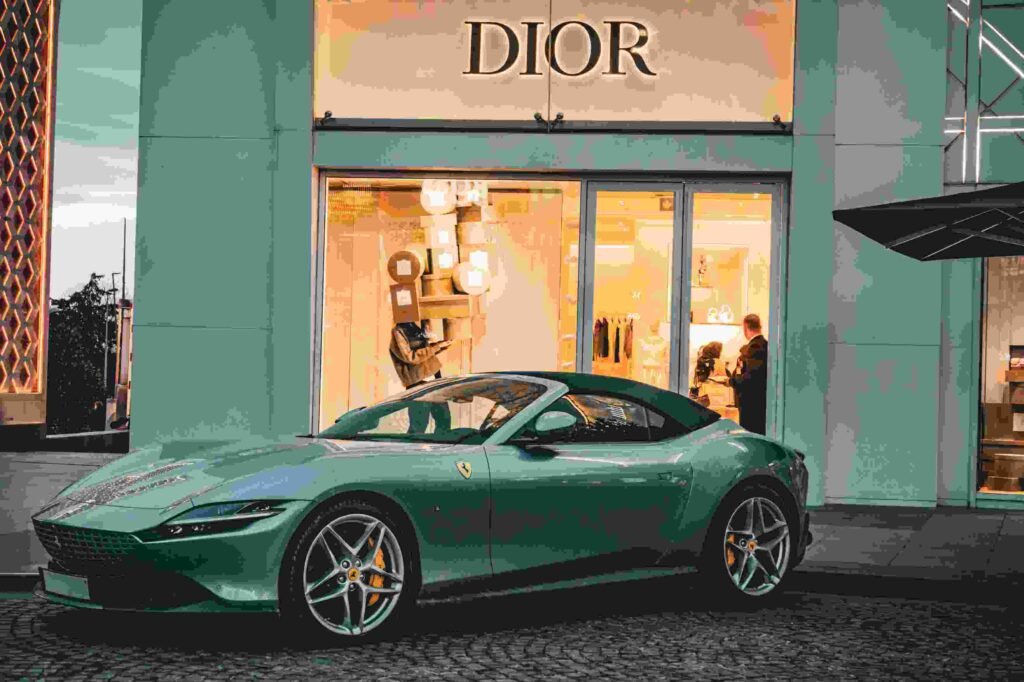

New York has never respected the boundary between luxury and everyday dressing. The city’s fashion language was built on contradiction: a couture-inspired coat crossing Houston Street with vintage denim, an immaculate handbag carried beside a sweatshirt, or tailored trousers paired with sneakers designed as seriously as fine footwear. In 2026, that high-low instinct has evolved into a sophisticated form of high-end luxury streetwear, where premium materials and designer labels are integrated into clothing designed for movement, weather, and real urban life.
The latest New York Fashion Week street-style coverage confirms the direction. Editors, celebrities, stylists, and fashion insiders have embraced relaxed proportions, expressive outerwear, refined accessories, tactile materials, and practical footwear rather than treating comfort and sophistication as opposing ideas. The result is a distinctly New York interpretation of luxury: less ceremonial than traditional high fashion, more individual than conventional sportswear, and increasingly dependent on the quality of the materials and construction.
That shift matters economically as well. American luxury consumers are becoming more selective about what deserves premium pricing, favoring pieces capable of moving across seasons and contexts. A beautifully made leather jacket, technically sophisticated sneaker, exceptional denim piece, or architecturally designed bag can function as an investment-worthy wardrobe component rather than a disposable trend purchase. In Manhattan, where a single day can move from a studio appointment to a business lunch, gallery opening, dinner, and late-night gathering, versatility has become a luxury in itself.
Here are the ten aesthetics defining New York’s elevated streetwear conversation in 2026.
## 1. Oversized Distressed Silhouettes: Controlled Nonchalance
The oversized silhouette remains one of New York’s most recognizable visual signatures, but 2026 has made the proportion more deliberate. Rather than simply wearing everything several sizes larger, the city’s fashion set is balancing generous outerwear and relaxed trousers against carefully considered accessories and sharper underlying layers. Vogue’s 2026 street-style coverage repeatedly highlighted roomy leather jackets, relaxed tailoring, wide silhouettes, and oversized coats as foundations for contemporary city dressing.
The sophisticated approach is to create volume in one or two areas rather than everywhere simultaneously. A roomy leather jacket can work with straight or gently relaxed denim, a fitted knit, and a compact handbag. Alternatively, wide trousers can be paired with a cropped jacket or structured coat. Distressed denim should feel intentional rather than excessively damaged; premium Japanese or Italian denim, substantial cotton construction, and carefully finished seams can provide the rebellious appearance without sacrificing durability.
For the NYC elite, the attraction is partly psychological. Oversized clothing communicates confidence because the wearer is not relying on conventional body-contouring proportions to create polish. The luxury element comes from fabric, cut, and restraint.
## 2. Tech-Wear Fusion: Performance Becomes Luxury
New York’s unpredictable weather and relentless pace make technical clothing unusually relevant. The 2026 luxury wardrobe increasingly borrows from outdoor and performance design, introducing water-resistant shells, lightweight insulated layers, technical nylon, modular pockets, and engineered footwear into outfits that remain distinctly fashion-led.
The key is avoiding a head-to-toe expedition aesthetic. A technical jacket can be worn over tailored trousers and a fine merino sweater; technical cargo trousers can be balanced with a cashmere coat; a sleek weatherproof shell can accompany a premium leather bag. The contrast between performance fabric and traditional luxury materials creates the visual tension that makes the outfit feel contemporary.
Durability is one of the category’s strongest advantages. High-density nylon, ripstop textiles, waterproof membranes, and reinforced seams are designed to withstand conditions that would quickly damage delicate fashion fabrics. That makes technical pieces particularly compelling within an investment-worthy wardrobe.
For affluent New Yorkers, the appeal is obvious: luxury no longer needs to sacrifice function. The most successful designer labels are making technical performance part of the aesthetic rather than hiding it.
## 3. Minimalist Monochromatic Layouts: Quiet Authority
New York’s minimalist instinct has not disappeared; it has become more sophisticated. Monochromatic dressing—particularly black, charcoal, cream, navy, chocolate, and gray—remains one of the easiest ways to make premium materials and tailoring appear immediately expensive.
The trick is to build the outfit through variations in texture rather than color. A charcoal wool coat over a fine cashmere sweater, tailored trousers, and polished leather sneakers creates depth without visual noise. An all-black ensemble becomes more compelling when matte cotton, brushed wool, smooth leather, and technical nylon occupy different layers.
This approach is particularly valuable for investment pieces because it extends their styling lifespan. A minimalist leather jacket can accompany denim one day and tailored trousers the next. A black designer bag can move between seasons with almost no modification.
New York’s luxury consumer has long understood that visible logos are not the only way to communicate status. In 2026, sophisticated minimalism is increasingly about recognizing exceptional construction at close range.
## 4. Deconstructed Luxury Denim: The New American Essential
Denim remains one of the most democratic garments in fashion, which is precisely why luxury houses continue to reinvent it. The 2026 New York street-style scene has shown particular interest in straight and relaxed jeans, while distressed and unconventional treatments continue to provide a counterpoint to polished tailoring.
The new luxury-denim formula is less about obvious embellishment and more about proportion, wash, and construction. A beautifully cut straight jean can anchor a dramatic leather jacket; an intentionally deconstructed pair can be balanced with a pristine cashmere knit and structured handbag.
Material quality matters enormously. Heavyweight cotton, selvedge construction, high-quality hardware, reinforced stitching, and carefully developed washes generally offer greater longevity than inexpensive denim subjected to artificial distressing. The best luxury denim develops character rather than simply appearing worn from the beginning.
For New York’s high-end consumer, denim provides the ultimate high-low bridge. It can make a couture-inspired jacket feel approachable while allowing exceptional accessories to remain the focal point.
## 5. Avant-Garde Utility Vests: Function with Editorial Precision
The utility vest has moved well beyond its workwear origins. In luxury streetwear, it has become a layering device capable of adding structure, storage, and visual complexity without the weight of a traditional jacket.
The New York approach is highly architectural. A technical or quilted vest can be layered over a fine knit and beneath an oversized coat, or worn over a crisp shirt with wide-leg trousers. A leather utility vest creates a more dramatic interpretation, particularly when paired with minimalist footwear and understated jewelry.
Durable canvas, technical nylon, quilted textiles, and premium leather each produce different effects. Canvas provides heritage workwear character; nylon introduces a futuristic edge; leather adds density and polish.
The important consideration is proportion. Because a vest already adds visual volume around the torso, slimmer sleeves or streamlined layers underneath can preserve movement. In colder weather, it can also create genuine insulation without forcing the wearer into a single heavy garment.
The result is distinctly New York: practical, slightly unconventional, and sophisticated enough to appear intentional rather than utilitarian.
## 6. Premium Graphic Layers: The Return of Fashion’s Visual Conversation
Graphic clothing is experiencing a more sophisticated revival. Instead of inexpensive logo-heavy merchandise, luxury streetwear is using premium graphic layers—artist collaborations, refined typography, archival references, embroidered motifs, and carefully engineered prints—to create pieces with cultural relevance.
The safest styling formula is to treat the graphic item as the center of the composition. A premium printed sweatshirt can be paired with tailored trousers and leather loafers; an expressive T-shirt can sit beneath a sharply cut blazer; a graphic knit can be balanced by dark denim and a minimalist bag.
Fabric quality separates elevated graphic fashion from ordinary merchandise. Heavyweight cotton, dense jersey, cashmere blends, and precise embroidery provide both durability and visual richness. Printing techniques also matter: high-quality screen printing, jacquard construction, embroidery, and appliqué can survive repeated wear more effectively when properly produced.
The New York elite’s attraction to this trend reflects the city’s relationship with culture. Streetwear has always been a language of music, art, nightlife, and identity. In 2026, luxury is simply giving that language more sophisticated materials.
## 7. Elevated Leather Outerwear: The New Off-Duty Uniform
Leather jackets have become one of the strongest luxury streetwear categories in New York, but the 2026 version is far more varied than the traditional biker. Fashion Week street style has highlighted oversized bombers, slouchy leather jackets, sculptural shapes, and unconventional details, while Harper’s Bazaar also identified supple leather outerwear as a major Fall 2026 street-style direction.
The best styling combines leather with contrasting softness. A substantial leather bomber over cashmere and relaxed trousers creates an immediately sophisticated silhouette. A fitted leather jacket can balance wide denim. A long leather coat can replace conventional wool outerwear.
Material selection determines whether the garment becomes genuinely investment-worthy. Full-grain or high-quality lambskin can offer exceptional character, while heavier hides provide greater structure and durability. Suede introduces softness but requires more protection from moisture.
This is perhaps the ultimate luxury-streetwear purchase because it occupies the space between tailoring and casualwear. It can look equally convincing outside a gallery, at a restaurant, or on a downtown sidewalk.
## 8. Technical Footwear: Sneakers and Boots with Architectural Intent
New York demands footwear capable of surviving pavement, weather, and long distances, which explains why technical footwear has become an increasingly important part of the luxury wardrobe. But the 2026 approach is not simply about comfort. Sneakers and boots are becoming architectural objects in their own right.
Low-profile sneakers can sharpen wide trousers and oversized tailoring, while substantial technical sneakers provide counterweight to long coats and voluminous denim. Refined boots—particularly chunky, low-profile, or Western-influenced silhouettes—have also become prominent in New York street style. Harper’s Bazaar noted the continued importance of practical yet stylish footwear, including chunky boots, kitten heels, and Western-leaning forms.
Premium leather, engineered mesh, technical rubber, advanced cushioning systems, and reinforced soles determine whether footwear can handle real city conditions. For luxury consumers, the most compelling pairs are those that combine engineering with design.
The styling rule is simple: footwear should either echo the volume of the outfit or deliberately oppose it. A massive coat needs a grounded shoe; delicate tailoring can benefit from a more substantial sneaker.
## 9. Structural Headwear: Finishing the Urban Silhouette
Hats have become increasingly important because they offer an easy way to alter the proportions and personality of a streetwear look. In New York, structural headwear ranges from refined baseball caps and sculptural wool hats to knit beanies and fashion-forward caps with architectural shapes.
The most sophisticated interpretation avoids excessive branding. A beautifully constructed wool cap with a minimalist coat can appear more luxurious than a heavily monogrammed alternative. Likewise, a clean leather or technical cap can sharpen an otherwise soft outfit.
Material matters because the headwear sits at the highest visual point of the silhouette. Cashmere, dense wool, premium cotton, technical nylon, suede, and leather each communicate different levels of formality.
A structured cap can make tailoring feel contemporary; a soft beanie can deliberately reduce the formality of a long wool coat; a sculptural hat can turn an otherwise monochromatic outfit into an editorial statement.
For New York’s fashion-conscious elite, headwear is no longer an afterthought. It is part of the architecture.
## 10. Tailored Athleisure: The New Executive Street Uniform
The most significant evolution in luxury streetwear may be the disappearance of the old boundary between tailoring and athletic clothing. Tailored athleisure combines the comfort of sportswear with the proportions and materials traditionally associated with formal dressing.
A cashmere hoodie beneath a structured overcoat, tailored trousers with a premium sweatshirt, or a technical knit polo under a relaxed blazer can achieve the effect. The secret is to keep at least one component highly structured. If everything is relaxed, the outfit risks looking purely casual; if everything is tailored, the athletic reference disappears.
Fabric makes the difference. Fine merino, cashmere, premium cotton jersey, technical wool, and engineered knit fabrics can deliver comfort while retaining visual refinement. High-quality elastic, reinforced seams, and carefully designed silhouettes also prevent athleisure from looking disposable.
The result reflects how New York’s affluent population actually lives. Meetings, travel, dining, fitness, and cultural events increasingly overlap. Clothing must follow that lifestyle rather than force the wearer to change identity several times a day.
## The Future of Luxury Streetwear
New York’s 2026 streetwear landscape suggests that the future of luxury will not be defined by a choice between couture and casualwear. It will be defined by their integration. The city’s most influential dressers are combining exceptional materials with relaxed proportions, technical performance with heritage craftsmanship, and designer labels with pieces that feel genuinely wearable.
The transformation is already visible in Fashion Week street style, where tailoring, leather, denim, expressive accessories, practical footwear, and unconventional layering repeatedly appear together. Even the city’s transitional dressing has emphasized versatility and layering, reinforcing the idea that urban clothing must perform as well as it photographs.
For traditional high fashion, this represents both a challenge and an opportunity. Haute couture no longer exists in isolation from the street. Its ideas are being translated into sneakers, technical jackets, oversized denim, luxury bags, and everyday layers. Meanwhile, streetwear is gaining the craftsmanship, materials, and design discipline historically associated with the luxury sector.
That convergence is creating a new definition of status. In New York, the most sophisticated consumer does not necessarily look dressed for luxury. They look dressed for life—with exceptional fabric, intelligent construction, distinctive proportions, and precisely chosen luxury accessories quietly revealing the investment underneath.
The future of high-end luxury streetwear therefore belongs to clothing that can move. From SoHo to the Upper East Side, from gallery openings to private dinners, the winning wardrobe is increasingly one that combines performance, personality, and permanence. New York has always turned contradictions into style. In 2026, it is turning the contradiction between streetwear and high fashion into the industry’s next global vocabulary.