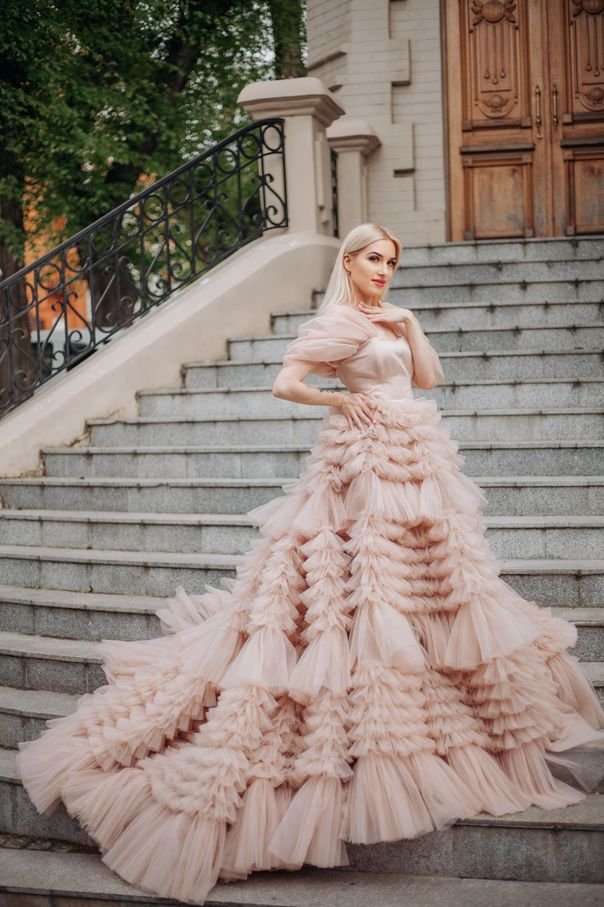

For decades, haute couture occupied a carefully guarded corner of the fashion universe: private salons, elaborate ateliers, red carpets, and invitation-only occasions where extraordinary garments were designed to be admired rather than lived in. That distinction is rapidly disappearing. Across the United States, the modern luxury consumer is redefining what it means to dress exceptionally well, pairing exquisite craftsmanship with the practical realities of metropolitan life. A couture blazer now appears with vintage denim; an elaborate runway handbag accompanies understated tailoring; silk once reserved for evening is worn with sneakers and relaxed trousers. The result is a new language of sophisticated urban wear in which exclusivity does not require formality.
This shift reflects a broader transformation in luxury fashion trends. Consumers increasingly want clothing that can move between professional, social, and everyday environments without sacrificing distinction. Rather than treating premium apparel as something preserved for special occasions, sophisticated buyers are building wardrobes around versatile pieces with exceptional construction, distinctive materials, and enduring design value. The philosophy is simple: the more frequently a remarkable garment can be worn, the greater its practical and emotional value. For the modern wardrobe, haute couture becomes less about ceremony and more about intelligent integration.
## Tailored Couture Blazers with Casual Denim
Few combinations demonstrate the power of high-low dressing more effectively than a beautifully constructed couture blazer paired with uncomplicated denim. The contrast works because each piece supplies what the other lacks: the blazer introduces precision, architecture, and authority, while jeans contribute ease and informality. A sharply tailored black, ivory, camel, or charcoal jacket can immediately elevate straight-leg or relaxed denim without making the outfit appear overly formal.
The key is proportion. A sculpted blazer with pronounced shoulders works particularly well over a simple fitted T-shirt and high-rise denim, while a softer, elongated jacket can complement wider jeans and a fine-gauge knit. For daytime meetings, add understated leather loafers or pointed flats; for a more relaxed urban setting, minimalist sneakers can deliberately disrupt the formality of the tailoring.
Material quality determines whether the blazer looks genuinely luxurious. Wool, wool-silk blends, cashmere, and finely finished crepe offer structure while maintaining comfort. Pay attention to canvas construction, sleeve shaping, lining, and button quality because these details separate genuine high-end tailoring from ordinary suiting. Denim should remain comparatively quiet: clean washes, minimal distressing, and refined silhouettes allow the jacket to remain the visual authority.
This is the essence of an investment-worthy wardrobe. Instead of surrounding an exceptional designer piece with equally expensive garments, create contrast through texture and price point. A couture-level jacket does not need a couture-level outfit. Its value becomes more apparent when placed against something effortlessly familiar.
## Styling Runway Accessories
Runway accessories are among the easiest ways to introduce fashion-editorial sophistication into an otherwise ordinary wardrobe. A sculptural handbag, oversized sunglasses, distinctive belt, silk scarf, or statement brooch can transform a restrained outfit without requiring a complete change of clothing. This approach is particularly effective for consumers who appreciate designer labels but prefer subtle luxury over overt branding.
Consider a simple cashmere sweater, tailored trousers, and elegant flats as the foundation. Introduce a highly recognizable runway accessory—a structured handbag with unusual hardware, an architectural belt, or an artistically printed scarf—and the entire ensemble becomes more directional. The strategy is to let one accessory carry the fashion narrative rather than competing with several statement pieces simultaneously.
Materials deserve equal attention. Fine leather, polished metal, silk twill, acetate, and hand-finished embellishment age differently, so understanding their characteristics is essential. Smooth leather can provide a refined appearance but may reveal scratches more readily; grained leather is often more forgiving for everyday use. Silk scarves offer remarkable versatility but require careful storage and protection from jewelry, rough surfaces, and excessive moisture.
The high-low balance becomes particularly persuasive here because accessories can make accessible clothing look substantially more sophisticated. A premium handbag worn with a simple cotton shirt and well-cut trousers communicates confidence without appearing as though the wearer has dressed exclusively for display. In contemporary American luxury, restraint is often more compelling than accumulation.
## Incorporating High-End Silk Blouses
The silk blouse has long been one of the most dependable luxury wardrobe essentials, yet its modern interpretation is considerably more relaxed than the traditional office shirt. Rather than pairing silk exclusively with formal skirts or tailored suits, today’s wardrobe can place it alongside denim, utility trousers, leather pants, or understated knitwear.
For daytime dressing, try a fluid silk blouse partially tucked into straight-leg jeans, leaving the neckline relaxed and adding a slim leather belt. A silk shirt beneath a structured blazer creates a sophisticated professional silhouette, while an oversized version worn with tailored shorts or wide-leg trousers can feel distinctly contemporary. The objective is to allow the fabric’s inherent elegance to contrast with something less precious.
Silk’s visual character comes from its surface and movement. Mulberry silk, silk charmeuse, crepe de chine, and heavier silk twill each produce different effects. Charmeuse offers a fluid, luminous finish, while crepe provides greater visual restraint. Twill generally has more body and works beautifully for scarves and structured shirts. Because delicate fibers can be vulnerable to abrasion, perfume, perspiration, and rough accessories, thoughtful care is essential if the garment is intended to remain a long-term wardrobe investment.
The most sophisticated approach is not to over-style silk. Minimal jewelry, clean tailoring, and understated shoes allow the fabric to communicate quality naturally. A high-end silk blouse does not need embellishment to look expensive; its craftsmanship should speak through drape, finishing, and proportion.
## Statement Footwear as a Focal Point
Shoes offer perhaps the most immediate opportunity to introduce runway drama into daily dressing. A sculptural heel, jewel-adorned pump, sharply pointed boot, or architectural loafer can transform an otherwise restrained ensemble, making footwear the focal point rather than an afterthought.
The formula is particularly effective when clothing remains quiet. Pair dramatic heels with tailored black trousers and a cashmere sweater, or style statement boots with straight denim and an oversized wool coat. In warmer weather, an elaborate sandal can give a simple linen dress an editorial quality without requiring additional accessories. The more expressive the shoe, the more disciplined the surrounding pieces should become.
Material selection affects both aesthetics and longevity. Calfskin offers a polished, structured appearance and can develop character with wear, while suede creates depth and softness but requires greater protection from moisture and staining. High-quality leather soles, reinforced stitching, precise construction, and balanced heel design are practical indicators of craftsmanship.
There is also a financial logic to making footwear the statement. Instead of purchasing an entirely new designer outfit for every season, one exceptional pair can refresh established wardrobe foundations repeatedly. This makes statement footwear a powerful component of premium apparel collections and an efficient way to participate in changing luxury fashion trends without becoming dependent on them.
## Balancing Dramatic Textures
The most advanced form of everyday couture styling is often less about color than texture. Velvet, shearling, feathers, metallic finishes, patent leather, boucle, sequins, brushed wool, and sculpted knits can all introduce extraordinary visual depth. The challenge is ensuring that dramatic surfaces appear intentional rather than theatrical.
The solution is controlled contrast. A feather-trimmed jacket becomes wearable when paired with plain trousers and a simple tank. A metallic skirt can feel sophisticated with a soft cashmere sweater. A heavily textured boucle jacket can be balanced by smooth denim, while a patent leather accessory can provide definition against matte wool or cotton.
Texture also changes how an outfit interacts with light. Satin reflects it softly, patent leather produces sharper highlights, while brushed wool absorbs light and creates visual warmth. Understanding these differences allows a wardrobe to appear sophisticated even when the color palette remains exceptionally simple.
For everyday dressing, limit the number of competing textures and give the strongest material sufficient space. This is where true high-end tailoring and couture craftsmanship become particularly valuable: exceptional construction allows dramatic materials to look controlled. The goal is not to make an outfit look expensive through excess, but to make quality visible through contrast, proportion, and restraint.
## The Future of Daily Couture
Daily couture styling represents a broader evolution in American luxury: the movement away from occasion-based consumption toward personal, enduring wardrobes. As consumers become more conscious of longevity, craftsmanship, and versatility, the distinction between formal couture and everyday dressing will continue to soften. The most desirable pieces will increasingly be those capable of functioning across multiple environments rather than garments that exist solely for a photograph or a single event.
That makes intelligent styling an important part of sustainable personal luxury. A beautifully tailored blazer worn dozens of ways, a silk blouse integrated into casual dressing, or an extraordinary accessory repeatedly combined with understated clothing creates more value than a wardrobe filled with rarely worn statement pieces. The modern luxury consumer is not necessarily buying less; they are demanding more from what they buy.
Haute couture, at its highest level, has always represented extraordinary craftsmanship and individuality. Its future influence may lie not only on the runway or red carpet but in the way people incorporate exceptional design into ordinary life. When premium apparel is styled with restraint, when designer labels are balanced against accessible basics, and when investment-worthy pieces are chosen for longevity rather than novelty, luxury becomes more personal, more practical, and ultimately more sustainable. The true modern luxury wardrobe is not a museum of precious garments. It is a living collection designed to be worn.