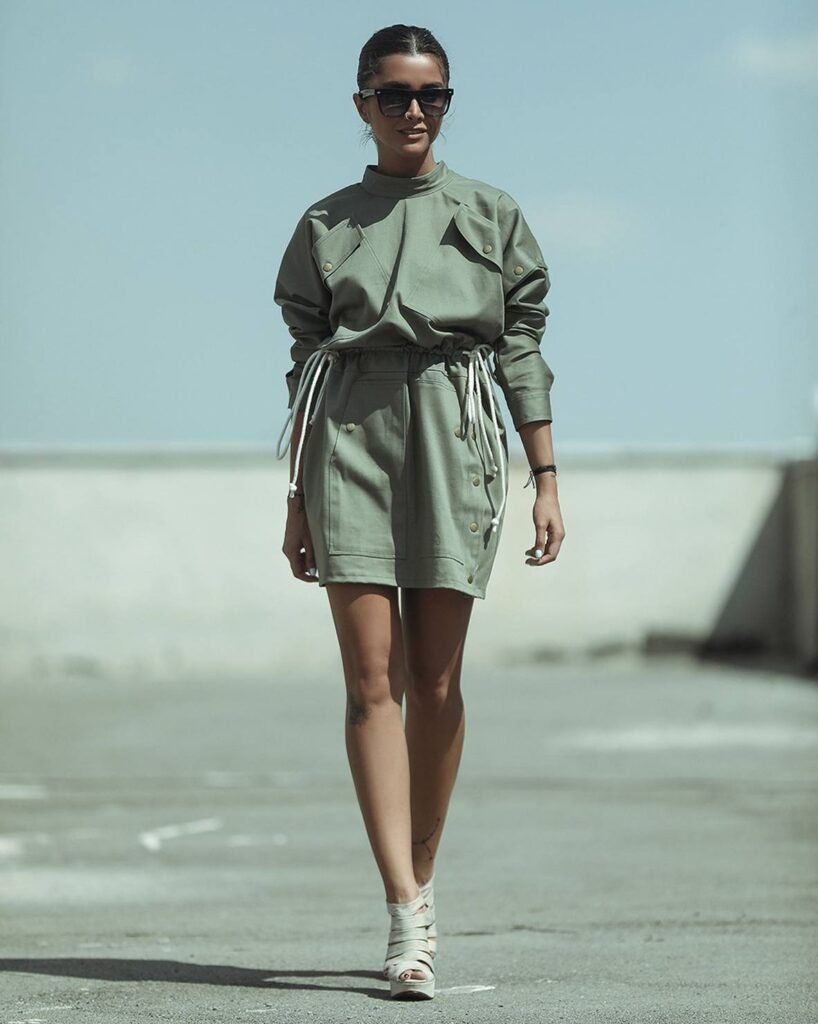

The most compelling luxury wardrobes in America are no longer built around the idea that every garment must carry a prestigious label. From Manhattan creative studios to Los Angeles restaurants and Chicago’s increasingly sophisticated streetwear scene, affluent consumers are embracing a more nuanced philosophy: luxury is defined by curation, not uniformity. A rugged pair of utility trousers can sit comfortably beneath an exquisitely tailored blazer; an affordable technical jacket can frame a silk blouse; a simple cotton T-shirt can become the foundation for an exceptional leather handbag and meticulously crafted shoes.
This is the modern democratization of high fashion, but it is also a sophisticated response to changing consumer behavior. The American luxury customer increasingly understands that price and quality are not always synonymous. Certain pieces demand significant investment because of their craftsmanship, materials, heritage, or construction. Others are valuable precisely because they provide practical function without requiring a major financial commitment. The art lies in knowing where to spend and where to economize.
The result is a high-low fashion matrix in which affordable utility clothing provides texture, durability, and informality while premium apparel supplies refinement and authority. Heavy canvas, ripstop nylon, cotton twill, and technical fabrics can become surprisingly luxurious when positioned against fine wool, cashmere, silk, or premium leather. The objective is not to disguise an inexpensive garment as a designer piece. It is to give every component a deliberate role within a sophisticated composition.
For modern urban dressers, this approach creates a wardrobe that feels personal rather than purchased wholesale from a single fashion house. It also makes luxury more versatile. Designer labels become focal points rather than mandatory uniforms, while functional pieces provide the relaxed energy that defines contemporary American style.
## Pairing Rugged Utility Cargo Pants with Tailored Couture Blazers
Few combinations demonstrate the power of contrast better than rugged cargo trousers paired with an impeccably tailored blazer. Cargo pants bring military and workwear references into the outfit, while a beautifully constructed jacket introduces precision through shoulders, lapels, waist shaping, and refined fabric. Together, they create a sophisticated tension between utility and formal dressing.
The key is to choose cargo trousers with disciplined proportions. Extremely oversized pockets and excessive hardware can overwhelm a tailored jacket. Instead, look for a relatively clean silhouette in heavyweight cotton canvas, ripstop nylon, or cotton twill. Olive, charcoal, stone, navy, and black are particularly versatile because they allow the blazer to remain the sophisticated focal point.
Fabric contrast makes the combination more compelling. Heavy canvas against fine wool immediately communicates texture, while ripstop nylon beneath a cashmere-blend blazer creates a more contemporary technical contrast. A structured jacket in wool, wool-silk, or brushed flannel can elevate even relatively inexpensive utility trousers.
For an urban evening look, consider charcoal cargo trousers, a black tailored blazer, a fine-gauge knit, and polished calfskin loafers. During the day, substitute the knit for a premium cotton T-shirt and introduce minimalist leather sneakers. The difference between the two outfits is small, yet their personalities are dramatically different.
The blazer should generally be the most refined component. Its shoulder structure establishes the upper silhouette, while the cargo trousers provide relaxed volume beneath it. This creates the kind of high-low balance that defines modern luxury streetwear trends without appearing deliberately styled.
## Layering Affordable Outerwear with Luxury Silk Linings
Outerwear offers another opportunity to create unexpected luxury through layering. An affordable bomber, field jacket, rain shell, or technical parka can become considerably more sophisticated when positioned around an exceptional interior layer. Instead of spending heavily on every visible component, invest in the garment closest to the body or the accessory that completes the composition.
Silk is particularly effective because its surface introduces a subtle luminosity that contrasts with matte utility fabrics. A silk blouse beneath a nylon field jacket can instantly soften the utilitarian character of the outerwear. A silk-cashmere knit beneath an affordable wool-blend coat can achieve a similar effect, creating a luxurious tactile foundation without requiring a designer outer shell.
The principle extends beyond silk. Fine merino wool, lightweight cashmere, and premium cotton jersey can all provide a refined interior layer. When the outerwear is made from ripstop, polyester, waxed cotton, or technical nylon, these natural fibers create an appealing material conversation.
Proportion matters enormously. A bulky utility jacket should generally sit over a relatively streamlined inner layer. Conversely, a cropped technical jacket can accommodate a slightly longer silk shirt, allowing the hem to create a deliberate visual line.
Accessories should remain restrained. A premium leather belt, structured handbag, or understated watch can signal luxury without turning the outfit into a catalogue of expensive items. This is the essence of the mix utility pieces premium designer philosophy: let one or two exceptional components establish the level of refinement while affordable pieces provide practical character.
The result is especially effective in transitional weather, when layering is both aesthetically useful and genuinely functional.
## Coordinating High-End Footwear with Casual Street Essentials
Footwear has exceptional power because it occupies the foundation of the silhouette. A relatively inexpensive outfit can look dramatically more refined when paired with exceptional shoes, provided the rest of the clothing does not compete excessively for attention.
Consider premium calfskin loafers with relaxed denim and a heavyweight cotton sweatshirt. The shoe immediately introduces formality, but the sweatshirt prevents the outfit from becoming overly conservative. Alternatively, combine technical trousers, a basic T-shirt, and a beautifully constructed leather sneaker. The footwear becomes the bridge between casual utility and luxury.
Material selection is crucial. Smooth calfskin creates a polished appearance, while suede introduces softness and works particularly well with canvas, denim, and brushed cotton. Technical sneakers can pair effectively with wool trousers when their proportions are sufficiently refined. Heavy rubber soles can also anchor wide-leg trousers and oversized outerwear.
The strongest styling blueprint uses one clear luxury focal point. If the shoes are visually distinctive, keep the bag and outerwear relatively quiet. If the footwear is minimalist, a sculptural handbag or statement jacket can provide the visual emphasis.
This strategy makes luxury footwear one of the most useful investment-worthy accessories in a wardrobe. Unlike highly specific fashion pieces, exceptional shoes can move between casual and sophisticated settings with relatively little adjustment.
There is also an economic argument. A carefully chosen premium shoe can be worn with dozens of affordable outfits, increasing its practical value. Instead of buying an entirely designer ensemble, the consumer can invest in one exceptional foundation and build around it.
## Balancing Heavy Industrial Hardware with Minimalist Luxury Accessories
Utility fashion often arrives with hardware: metal buckles, oversized zippers, carabiners, reinforced snaps, webbing straps, rivets, and functional pockets. These elements create visual energy but can quickly make an outfit feel excessively tactical. The solution is to counter industrial detailing with accessories characterized by restraint.
Imagine heavy canvas trousers featuring metal hardware paired with a simple calfskin handbag. The contrast immediately creates sophistication. Likewise, a technical vest with multiple buckles can be worn alongside a minimalist leather belt and understated jewelry. The industrial components provide complexity while the luxury accessories provide visual silence.
Material contrast is particularly important. Waxed canvas, ripstop nylon, coated cotton, and rugged leather benefit from smooth calfskin, polished metal, fine cashmere, or silk. These differences allow each material to remain distinctive without creating visual competition.
Color should generally be disciplined. Black utility clothing can support a cognac leather accessory; olive can work beautifully with chocolate brown; stone and beige create an elegant foundation for black calfskin. Tonal dressing is another effective strategy because texture becomes more visible when color differences are minimized.
The most sophisticated interpretation of utility style does not eliminate hardware. It edits it. Allow one garment to carry the industrial vocabulary while the accessories introduce precision.
This is particularly valuable for luxury wardrobe essentials because minimalist accessories tend to remain relevant longer than heavily trend-driven pieces. A beautifully constructed leather bag or simple metal watch can accompany evolving streetwear trends without becoming visually dated.
## Incorporating High-Street Staples into Premium Wardrobe Frameworks
The final and perhaps most democratic strategy is to use inexpensive high-street basics as structural components within an otherwise premium wardrobe. A well-fitting white T-shirt, simple denim shirt, cotton tank, ribbed knit, or understated sweatshirt can provide the blank canvas necessary for luxury pieces to stand out.
The secret is fit and condition. An inexpensive garment does not need to be expensive-looking, but it must look intentional. Clean lines, appropriate proportions, intact fabric, and a good fit can make a simple cotton shirt remarkably effective beneath a designer jacket.
Consider a high-street white T-shirt beneath a beautifully cut wool blazer, straight-leg denim, and premium leather loafers. Or use affordable black trousers with a cashmere sweater, sculptural handbag, and exceptional footwear. The inexpensive pieces disappear into the architecture of the outfit because their role is foundational rather than decorative.
Textile quality still matters. Dense cotton jersey generally looks more refined than extremely thin fabric; substantial denim holds a cleaner silhouette; cotton poplin provides structure beneath tailoring. When selecting affordable garments, prioritize fabric behavior and construction over branding.
The high-low approach also creates freedom. Because the foundation pieces are relatively inexpensive, consumers can experiment with silhouettes and seasonal trends without making every purchase a major financial commitment. The long-term investment remains concentrated in pieces where craftsmanship genuinely matters.
This is where sophisticated urban street wear becomes genuinely personal. A wardrobe should not communicate the purchasing history of a single fashion house. It should communicate the taste of the person wearing it.
## The Real Definition of Contemporary Luxury
The modern luxury wardrobe is becoming less concerned with uniformity and increasingly focused on intelligence. The strongest outfits do not announce that every component is expensive. Instead, they demonstrate that the wearer understands proportion, material, construction, and context.
Affordable utility clothing has an important role within that equation. Heavy canvas can provide contrast against fine wool. Ripstop nylon can modernize cashmere. Basic denim can make a couture-inspired blazer feel relevant to everyday life. A simple T-shirt can give an exceptional handbag or pair of shoes room to command attention.
Meanwhile, premium apparel and designer labels remain valuable precisely because their craftsmanship can transform ordinary surroundings. A beautifully tailored jacket, exceptional leather shoe, or precisely constructed bag possesses an authority that does not disappear simply because the garments around it cost less.
The smartest American consumers are therefore moving toward a more curated form of luxury. They are investing selectively in pieces with enduring value while using affordable garments to introduce experimentation, functionality, and ease. This approach makes the wardrobe more adaptable and, importantly, more authentic.
Ultimately, contemporary luxury is not defined by the percentage of an outfit that carries a prestigious label. It is defined by balance. The finest wardrobe combines investment-worthy accessories with practical essentials, heritage craftsmanship with modern utility, and premium materials with everyday clothing. When those elements are selected with intention, the distinction between expensive and affordable becomes almost irrelevant.
What remains visible is taste—and in the evolving world of luxury fashion, personal curation is the most valuable status symbol of all.