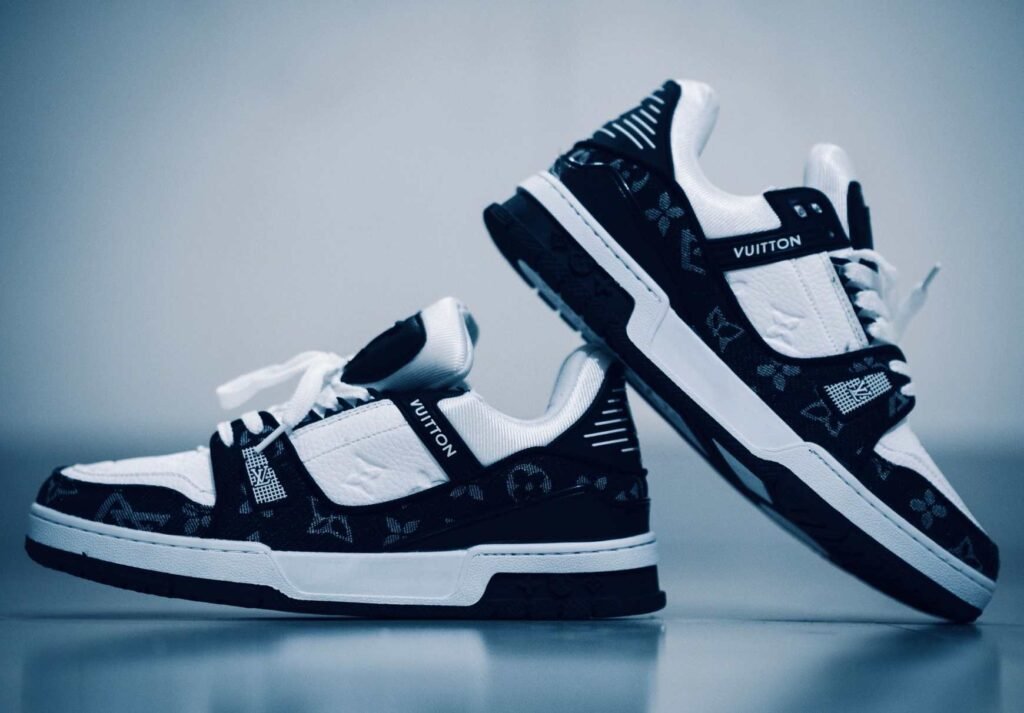

The luxury sneaker has undergone a remarkable transformation. What began as a functional athletic product and later became a symbol of youth culture is now firmly embedded in the economics of luxury collecting. In the United States, the most desirable sneakers can command four-figure retail prices, attract international collectors, and generate meaningful secondary-market premiums when scarcity, cultural relevance, craftsmanship, and brand equity align. For affluent consumers, the question is no longer whether sneakers belong in a luxury wardrobe. It is which pairs deserve capital, storage space, and long-term attention.
The economics of luxury footwear are particularly compelling because sneakers occupy an unusually liquid position between fashion and collectibles. Unlike couture garments that may have limited practical use, premium footwear can be worn regularly while retaining cultural significance. Limited production runs, influential collaborations, celebrity visibility, archival references, and distinctive materials can create demand that survives well beyond a release date. Yet not every expensive sneaker is an investment. High retail pricing alone does not guarantee appreciation, and speculative buying without research can leave collectors holding fashionable products with weak resale demand.
The strongest luxury sneaker drops tend to share several characteristics: recognizable design language, controlled distribution, superior materials, credible creative partnerships, and a compelling reason for collectors to want them years after release. For the modern American collector, the objective is therefore to identify footwear that combines immediate wearability with scarcity and enduring desirability. Seven archetypes currently stand out across the elite sneaker market.
## 1. Avant-Garde Designer Collaborations
The most closely watched luxury sneaker releases often emerge from collaborations between established designer labels and culturally influential creative partners. These haute couture collaborations can combine an iconic fashion house with an artist, architect, musician, athlete, or specialist footwear brand, producing designs that sit at the intersection of fashion history and contemporary culture.
For urban styling, the most successful approach is surprisingly restrained. An aggressively designed collaborative sneaker can anchor straight-leg denim, wide tailored trousers, or an understated cashmere ensemble. Allow the footwear to remain the visual focal point rather than surrounding it with competing logos.
Material composition can dramatically affect long-term desirability. Italian calfskin, suede, technical mesh, molded rubber, specialized textiles, and unusual hardware can distinguish a serious collaboration from a conventional seasonal sneaker. Construction details should be examined as carefully as the name on the box.
Scarcity is the central investment variable. A genuinely limited collaboration with controlled distribution and strong cultural relevance has considerably greater potential than a widely produced product carrying a prestigious logo. For storage, collectors should preserve the original packaging, spare laces, authenticity documentation, and purchase records while maintaining stable temperature and humidity. The investment thesis is strongest when scarcity is supported by enduring demand rather than artificial hype.
## 2. Heritage Leather Low-Tops
Heritage leather low-tops represent the conservative end of luxury sneaker investment. Their appeal is not based primarily on extreme scarcity but on timeless design, premium construction, and the ability to remain relevant through changing fashion cycles.
A minimalist low-top in premium Italian calfskin or full-grain leather can be worn with virtually every major category in a sophisticated wardrobe. Pair it with dark denim and a cashmere sweater for weekend dressing, or use a clean white or cream model to soften sharply tailored trousers. The contrast between formal clothing and understated sneakers remains one of the most reliable expressions of modern luxury.
Leather quality matters enormously. Full-grain surfaces can develop character with use, while high-quality calfskin offers a refined combination of softness, structure, and finish. Examine stitching, edge treatment, sole bonding, lining, and hardware rather than relying solely on the designer label.
From an investment perspective, heritage low-tops are typically a preservation rather than speculation strategy. Their strongest financial characteristic is broad demand and styling longevity. A collector should prioritize classic colorways and exceptional condition, recognizing that a widely wearable sneaker can maintain useful resale value even without commanding a dramatic premium.
Long-term storage should involve breathable dust bags, clean and dry conditions, shape-preserving inserts, and protection from direct sunlight. For leather, inappropriate plastic storage can trap moisture and accelerate deterioration. The objective is to preserve condition without artificially aging the materials.
## 3. Technical Deconstructed Silhouettes
The technical deconstructed sneaker has become one of the defining expressions of contemporary luxury footwear. These designs often expose or reinterpret the construction itself through layered panels, asymmetric geometry, visible stitching, modular components, engineered mesh, or exaggerated soles.
They are particularly effective within sophisticated urban wardrobes because their complexity contrasts beautifully with restrained clothing. Style an architectural technical sneaker beneath tailored wool trousers, relaxed cargo pants, or an oversized cashmere coat. The more complicated the shoe, the quieter the rest of the outfit should become.
Specialized mesh, ripstop textiles, molded polymers, industrial rubber, lightweight foam, and technical synthetic overlays can improve performance while creating a distinctly futuristic appearance. Buyers should distinguish genuine engineering from purely decorative complexity. Reinforced stitching, durable outsole compounds, replaceable components, and breathable construction can increase practical longevity.
The investment case depends heavily on cultural significance. A technically innovative silhouette that establishes a recognizable design language can become more collectible than a generic limited edition. Scarcity matters, but so does historical relevance: the strongest pieces are those that future collectors can identify as representative of a particular moment in footwear design.
For storage, technical materials should be kept away from extreme heat and prolonged UV exposure. Foam components can degrade over extended periods, so long-term collectors should periodically inspect midsoles, adhesives, and synthetic overlays rather than assuming a dead-stock sneaker is automatically preserved.
## 4. Luxury Athletic Runners
The luxury running-inspired sneaker has become one of the most important bridges between performance footwear and designer fashion. Lightweight construction, advanced cushioning, breathable mesh, and aerodynamic profiles allow these sneakers to function as genuine everyday footwear while retaining the aesthetic authority of luxury.
The urban styling blueprint is deliberately polished. A premium runner works exceptionally well with relaxed tailoring, wide-leg trousers, technical outerwear, or refined knitwear. Instead of pairing it with overt athletic clothing, combine it with garments that create contrast: a wool overcoat, cashmere sweater, tailored pants, or premium denim.
Material composition is central to the category. Engineered mesh improves ventilation, while specialized foams and rubber compounds influence cushioning and durability. Premium suede, calfskin overlays, carbon-inspired components, and technical textiles can elevate the visual language beyond conventional running shoes.
Investment potential varies considerably. Performance models produced in large quantities generally have weaker scarcity economics, while influential collaborations or limited colorways can command stronger secondary-market interest. Collectors should therefore distinguish between an excellent luxury shoe and an investment-grade release.
For storage, technical runners require special care because foam and adhesive systems can deteriorate even when the shoe is never worn. A cool, dry, stable environment is preferable, and collectors should avoid excessive stacking that can deform uppers or compress cushioning components.
## 5. Eco-Chic Premium Craftsmanship
Sustainability has become an increasingly sophisticated component of luxury sneaker design. The most compelling eco-conscious releases are not simply marketed as environmentally responsible; they combine recycled textiles, bio-based materials, responsibly sourced leather alternatives, and lower-impact manufacturing with genuine craftsmanship.
These sneakers fit naturally into a modern American wardrobe. Their often restrained palettes—stone, cream, charcoal, olive, and muted earth tones—work with denim, tailored trousers, minimalist outerwear, and premium knitwear. The styling should reinforce their material sophistication rather than turn sustainability into a visual gimmick.
Recycled technical mesh, bio-based foams, organic cotton, innovative plant-derived materials, and responsibly sourced leather can all contribute to the construction. Buyers should examine durability carefully because environmental credentials have little value if the product cannot withstand normal use.
The investment rationale is more nuanced than traditional limited-edition collecting. Sustainability itself does not guarantee resale appreciation. However, genuinely innovative materials, strong designer labels, limited production, and documented provenance can create long-term relevance as consumer preferences evolve.
Storage requires particular caution because newer bio-based and recycled materials can behave differently from traditional leather. Original manufacturer care instructions should be preserved, and collectors should avoid assuming that conventional leather-conditioning methods are appropriate for unfamiliar materials.
## 6. Limited-Edition Haute Couture Retros
Perhaps the most compelling luxury footwear investments are sneakers that reinterpret a significant archival design or translate a recognizable couture language into a limited-edition release. These pairs possess something ordinary seasonal sneakers lack: historical narrative.
Styling should emphasize that heritage. Wear an archival-inspired sneaker with monochromatic tailoring, vintage denim, or a modern overcoat rather than overwhelming it with additional statement pieces. The contrast between historical reference and contemporary clothing allows the footwear to feel collectible without appearing costume-like.
Premium calfskin, hand-finished suede, embroidered textiles, metallic details, specialty jacquards, and carefully engineered rubber soles can make these releases particularly distinctive. The quality of execution is critical because collectors are purchasing not simply footwear but a physical expression of a brand’s design history.
Scarcity analytics become especially important. Numbered editions, restricted distribution, significant anniversaries, and genuine archival relevance can strengthen long-term desirability. Documentation should be preserved meticulously, including original packaging, certificates, receipts, tags, and any accompanying editorial or collaboration materials.
For collectors who never intend to wear the pair, preservation should be treated almost like archival storage. Maintain stable environmental conditions, minimize UV exposure, avoid excessive humidity, and use appropriate supports that do not distort the upper. Condition can become a decisive resale variable decades later.
## 7. Minimalist Suede Essentials
The quietest category can sometimes be the most intelligent. Minimalist suede sneakers in refined neutral tones have extraordinary wardrobe longevity because they do not depend on a particular fashion moment. Their value lies in proportion, material quality, and the ability to work across generations of styling.
A taupe, chocolate, gray, or deep navy suede sneaker can accompany tailored trousers, premium denim, relaxed wool, or cashmere. It can make a formal outfit feel contemporary without introducing an aggressive visual statement. For affluent consumers building a sophisticated wardrobe, that versatility has substantial practical value.
Suede requires more maintenance than smooth leather, but its tactile depth can make it exceptionally luxurious. High-quality calf suede, carefully finished linings, durable rubber soles, and precise stitching are indicators worth examining. Water resistance and appropriate protective treatments can also extend useful life, although collectors should always follow manufacturer-specific care recommendations.
These sneakers are generally less speculative than limited collaborations. Their investment rationale rests on cost-per-wear, styling longevity, material quality, and stable demand. A minimalist sneaker that remains desirable for ten years can ultimately outperform a hyped release that loses cultural relevance within eighteen months.
For long-term storage, suede should be kept dry, protected from direct sunlight, and supported so the upper retains its original shape. Proper brushing can remove surface dust, but excessive handling can damage the nap.
## The Future of Luxury Sneaker Investment
The luxury sneaker market is entering a more mature phase. The era when virtually any limited release could attract immediate speculative demand is giving way to a more discerning market in which craftsmanship, cultural significance, scarcity, and condition increasingly determine value. That is good news for serious collectors because it rewards knowledge rather than simply purchasing power.
The smartest procurement strategy is to separate three concepts: sneakers you love wearing, sneakers with strong resale potential, and sneakers with genuine collectible significance. Occasionally, one pair will satisfy all three categories. Those are the releases worth pursuing most aggressively.
Collectors should research production quantities where credible information exists, study historical resale behavior for comparable models, buy through authenticated channels, retain every piece of documentation, and avoid storing footwear in uncontrolled environments. Most importantly, they should resist paying extraordinary secondary-market premiums simply because a release is temporarily fashionable. Scarcity without enduring demand is not an investment thesis.
The future of luxury footwear will likely become increasingly hybrid. Haute couture collaborations will continue merging with performance technology, heritage houses will reinterpret archival sneakers, and technical materials will become increasingly sophisticated. At the same time, minimalist premium footwear will remain relevant because timeless design offers a different kind of value.
For the modern high-net-worth collector, the finest luxury sneaker drops are therefore not simply objects to acquire. They are expressions of design history, material innovation, cultural influence, and changing consumer behavior. In an increasingly sophisticated elite sneaker market, the winning strategy is not to buy the rarest sneaker available. It is to recognize which rare sneakers will still matter when today’s hype has become tomorrow’s history.