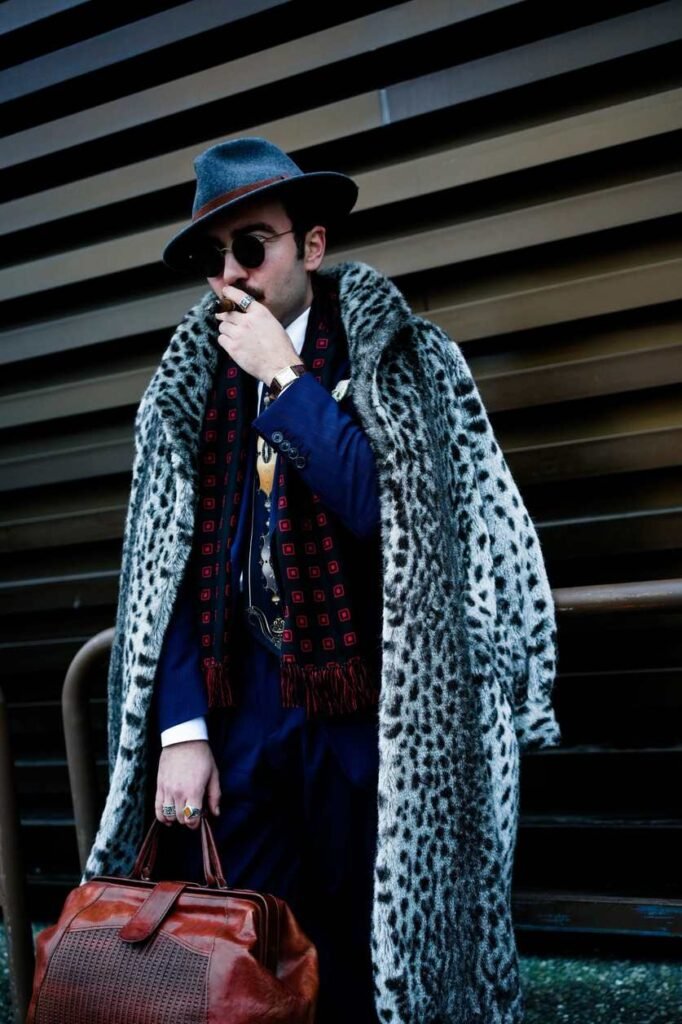

Winter has always offered fashion’s most compelling opportunity to demonstrate craftsmanship. When temperatures fall, clothing is no longer merely decorative; fabric, construction, proportion, and insulation must work together. The modern luxury wardrobe has consequently transformed winter dressing from a practical necessity into an exercise in architectural styling. Across the United States, from Manhattan’s polished avenues to Chicago’s severe winters and Aspen’s resort culture, expensive winter coats increasingly function as the defining statement of an outfit rather than its final addition.
The economics of premium outerwear make this especially significant. A beautifully constructed coat can represent one of the largest individual purchases in a wardrobe, but unlike highly seasonal garments, exceptional outerwear can remain relevant for a decade or longer. Fine wool, cashmere, shearling, technical insulation, and premium leather can justify substantial prices when combined with expert tailoring and durable construction. For discerning consumers, the objective is therefore not simply to own luxury outerwear, but to understand how to layer it intelligently so that its quality remains visible while its wearer remains warm.
Today’s most sophisticated winter dressing also rejects the idea that warmth requires bulk. The best luxury styling creates thermal efficiency through intelligent layering while maintaining a controlled silhouette. A cashmere base layer, tailored jacket, architectural coat, and carefully selected luxury accessories can produce remarkable insulation without creating visual heaviness. The result is sophisticated winter layering that feels intentional, comfortable, and distinctly modern.
## The Foundations of Fine Wool and Cashmere Base Layers
Exceptional winter styling begins beneath the coat. Fine wool and cashmere base layers create thermal insulation close to the body while establishing the foundation for everything worn above them. A lightweight merino-wool turtleneck, fine cashmere crewneck, or silk-and-wool blend can provide warmth without the thickness associated with conventional winter sweaters. The objective is to create a thin thermal architecture rather than simply adding volume.
For a refined daytime formula, consider a lightweight cashmere turtleneck beneath a fine wool cardigan, followed by a tailored blazer and a substantial outer coat. The layers should become progressively more structured as they move outward. This creates visual hierarchy while preventing the shoulders and torso from becoming disproportionately large.
Material selection matters considerably. Merino wool offers excellent moisture management and temperature regulation, making it particularly useful for active days or fluctuating indoor environments. Cashmere delivers exceptional softness and insulation relative to its weight, although it requires more careful maintenance. A silk base layer can provide additional warmth while reducing friction between garments.
The most sophisticated silhouette is achieved when the inner layers remain relatively close to the body. Excess fabric around the shoulders or waist can interfere with the coat’s construction and compromise both comfort and appearance. Fine base layers should therefore disappear beneath the outer architecture. Their purpose is felt through warmth rather than seen through bulk.
This approach also protects an expensive winter coat from unnecessary strain. When the body is adequately insulated by lightweight layers, there is less temptation to choose an oversized coat simply to accommodate heavy sweaters. The result is a cleaner silhouette and a more versatile investment-worthy wardrobe.
## Structured Trench Coats Over Tailored Blazers
Layering a structured trench coat over a tailored blazer creates one of winter fashion’s most sophisticated transitional formulas. The combination works because both garments possess architectural structure, yet they perform different visual functions. The blazer defines the body; the trench establishes the outer silhouette.
The most successful version begins with a relatively slim blazer in wool or wool-silk fabric. Beneath it, wear a fine knit or silk blouse rather than a bulky sweater. The trench should have enough room across the shoulders and sleeves to accommodate the tailoring without pulling at the seams. A slightly oversized cut is preferable, but excessive volume can make the combination appear cumbersome.
Color creates another layer of sophistication. A camel trench over charcoal tailoring provides classic contrast, while a navy coat over tonal gray suiting feels more restrained. For an especially polished effect, coordinate the blazer and trousers while allowing the trench to introduce the contrasting exterior color.
Thermal efficiency can be enhanced by selecting a lined trench or one constructed from tightly woven cotton gabardine, wool, or technical fabric with wind-resistant properties. The belt should be used strategically rather than automatically tied. Cinching the waist creates a defined silhouette, while leaving the coat open allows the tailoring beneath to become part of the visual composition.
This technique works particularly well in cities where winter temperatures fluctuate throughout the day. The trench becomes a removable protective layer, while the blazer maintains the formality of the outfit once indoors. It is an excellent example of how designer labels can combine practicality with high-end tailoring without sacrificing elegance.
## Styling Oversized Shearling and Puffer Coats
Oversized shearling and puffer coats occupy the opposite end of the silhouette spectrum. Their generous proportions are inherently dramatic, making them exceptionally effective for cold climates but potentially difficult to style. The secret is to create contrast beneath the coat rather than competing with its volume.
A substantial shearling coat works beautifully over a slim cashmere knit, straight-leg trousers, and streamlined boots. The coat supplies texture and volume while the garments beneath establish a clean vertical line. With a puffer, the principle is similar: pair substantial insulation with relatively disciplined proportions underneath.
The quality of the material is critical. Genuine shearling combines a leather exterior with natural fleece insulation, creating exceptional warmth and a distinctive tactile surface. Premium down or advanced synthetic insulation can provide impressive warmth-to-weight ratios in puffer construction. Buyers should evaluate fill quality, stitching, baffle construction, lining, hardware, and resistance to moisture when considering high-end outerwear.
Proportion should also account for footwear. A large coat paired with an extremely delicate shoe can make the body appear top-heavy. Sleek knee-high boots, substantial loafers, or refined winter sneakers can visually anchor the silhouette. Conversely, pairing an oversized coat with extremely wide trousers may work only when the garments are carefully balanced in length and fabric weight.
The most sophisticated approach embraces volume without allowing it to overwhelm the wearer. An oversized coat should look intentionally generous, not accidentally large. This distinction is particularly important with expensive winter coats because superior construction can make volume appear sculptural rather than shapeless.
## Balancing Textures with Silk and Premium Leather
Winter dressing becomes visually compelling when different textures interact. The combination of matte wool, luminous silk, supple leather, and plush cashmere creates depth even within a restrained color palette. For luxury wardrobes, texture is often more sophisticated than excessive color because it allows expensive materials to communicate quality subtly.
A charcoal wool coat over a silk blouse and tailored trousers, finished with premium leather boots, is a classic example. The wool absorbs light, silk reflects it, and leather introduces a controlled sheen. None of the individual elements needs to be visually loud because the materials themselves provide contrast.
Premium leather accessories are especially effective beneath or alongside winter outerwear. A structured leather handbag can provide geometric definition against a soft shearling coat, while leather gloves can introduce a refined finish to a cashmere-and-wool ensemble. A leather belt can also restore waist definition when a substantial coat begins to obscure the body’s natural proportions.
The key is controlling texture density. If the coat is heavily textured, such as shearling or bouclé, smoother materials beneath it generally produce the most elegant result. If the outer coat is exceptionally clean and minimal, textured cashmere, silk, suede, or embossed leather can introduce visual interest.
Thermal performance should remain part of the equation. Silk can serve as an insulating intermediate layer because it is lightweight and comfortable against the skin, while leather accessories provide protection from wind without adding substantial bulk. The best luxury accessories therefore perform both aesthetic and practical functions.
## Accessorizing Expensive Winter Coats with Haute Couture Scarves
Few accessories possess the transformative power of a beautifully made scarf. In haute couture winter dressing, the scarf is not merely an instrument for keeping the neck warm; it can alter the proportions, color balance, and personality of an entire coat.
A large cashmere scarf draped loosely over the shoulders creates softness against a structured coat. A silk scarf knotted close to the neck can introduce color beneath an open lapel. A generously proportioned wool-and-cashmere scarf wrapped asymmetrically around the collar creates a more relaxed, editorial silhouette.
Material and scale should correspond to the coat. A substantial shearling or puffer already carries considerable visual weight, so an excessively bulky scarf may overwhelm the composition. A lighter cashmere or silk scarf is generally more effective. Conversely, a sleek wool coat can accommodate a larger scarf, particularly when the fabric introduces a contrasting texture.
Color can be used strategically. A neutral coat provides an ideal foundation for a burgundy, emerald, ivory, or deep blue scarf, while a richly colored coat may benefit from tonal accessories. Prints should be considered as carefully as jewelry: a dramatic pattern can become the central visual statement, so the rest of the outfit should remain comparatively disciplined.
The finest haute couture winter accessories also possess longevity. Exceptional cashmere, hand-rolled silk, intricate weaving, and refined finishing can make a scarf an heirloom rather than a seasonal purchase. When chosen thoughtfully, it becomes one of the most adaptable pieces in a luxury wardrobe, capable of refreshing the same coat for years.
## The Coat as the Ultimate Luxury Statement
A high-quality winter coat is uniquely positioned within a luxury wardrobe because it is both necessity and statement. Unlike a dress that may appear only at specific events, outerwear accompanies its wearer through streets, restaurants, airports, professional meetings, and social occasions. It is frequently the first piece others see, making its construction, proportion, and material unusually important.
The future of sophisticated winter style belongs to outerwear that combines performance with permanence. Consumers increasingly recognize that a beautifully tailored wool coat, exceptional cashmere overcoat, premium shearling, or technically advanced puffer can deliver greater long-term value than a succession of disposable seasonal pieces. The economics are compelling: a versatile, well-maintained coat can remain relevant through changing fashion cycles while providing practical value every time it is worn.
The smartest approach is therefore to build outward from the body rather than simply piling garments on top of one another. Begin with lightweight natural fibers, introduce tailored structure, select an outer layer appropriate to the climate, and use luxury accessories to establish the final visual balance. Each layer should perform a distinct function without competing with the others.
Ultimately, the finest expensive winter coats do more than protect against cold. They frame the entire wardrobe. Their silhouette determines proportion, their material establishes sophistication, and their craftsmanship communicates a level of discernment that no seasonal trend can easily replicate. In the modern luxury market, where thoughtful consumption increasingly competes with conspicuous excess, exceptional outerwear represents one of the clearest expressions of personal style: practical, enduring, unmistakably refined, and designed to make winter itself look elegant.